
What Is Sea Glass? A Complete Guide to How It Forms, Colors, Rarity & Collecting

FAQ
What makes sea glass different from ordinary broken glass?
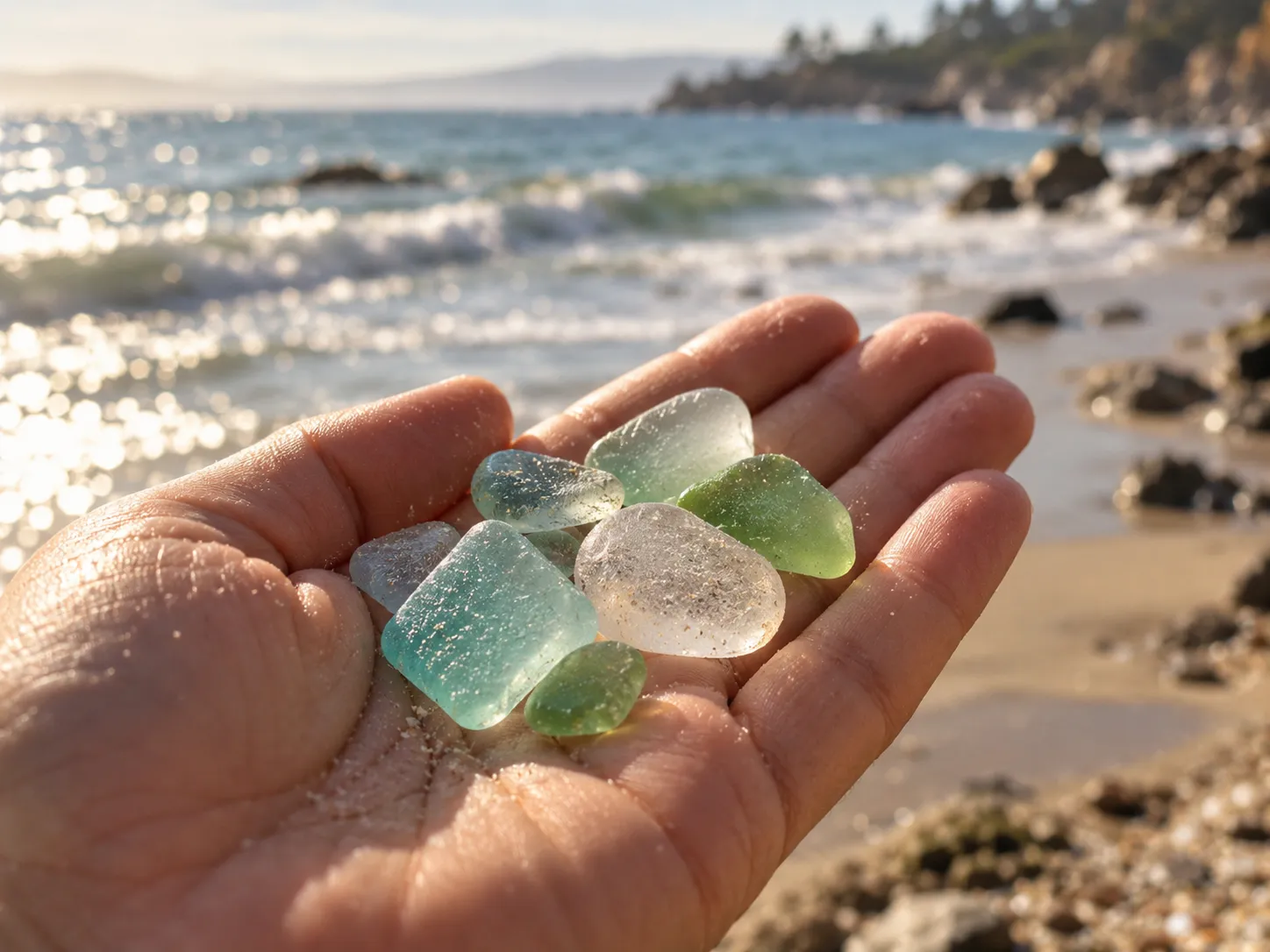
Sea glass has been naturally weathered by water, sand, and repeated movement. Genuine pieces typically develop smoother edges, a frosted surface, and irregular wear patterns over time.
How can I tell if sea glass is real?
Look for naturally rounded edges, uneven frosting, small pits and surface marks rather than perfectly uniform shapes and textures. Genuine pieces may also retain fragments of embossing or other clues from their original object.
What colors of sea glass are rare?
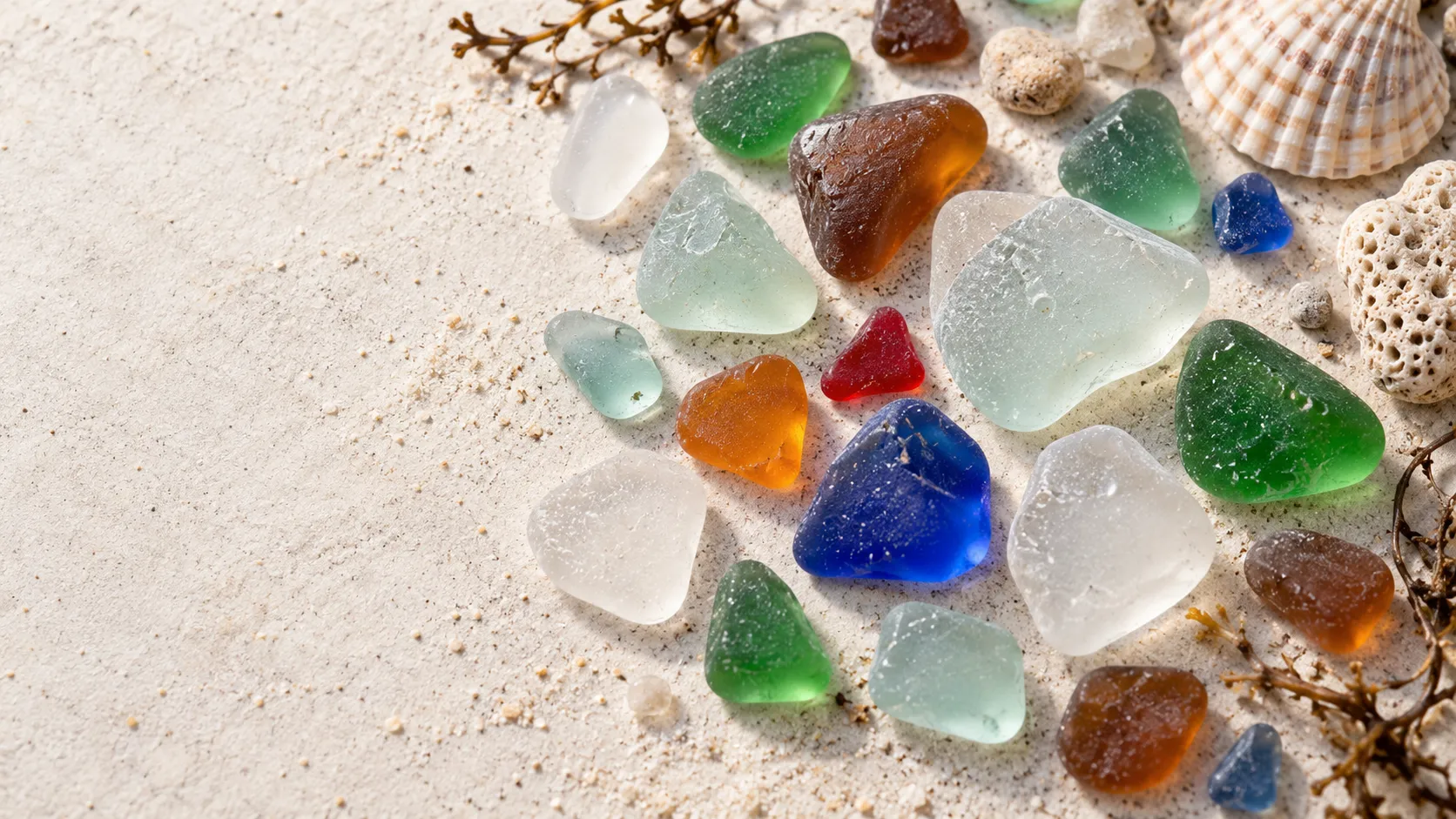
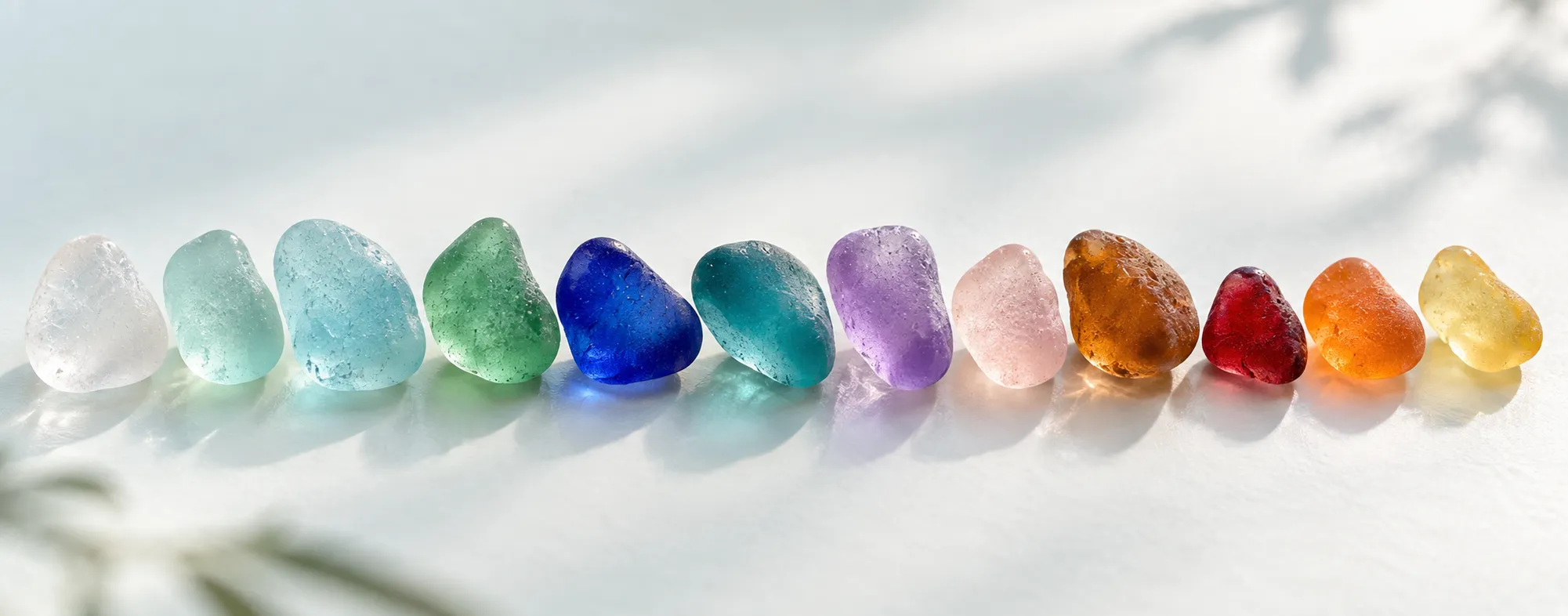
White, brown, and green are generally common, while colors such as cobalt, purple, red, orange, yellow, and very dark historical glass may be much harder to find. Exact rarity depends strongly on region and local glass history.
Where can I find sea glass?
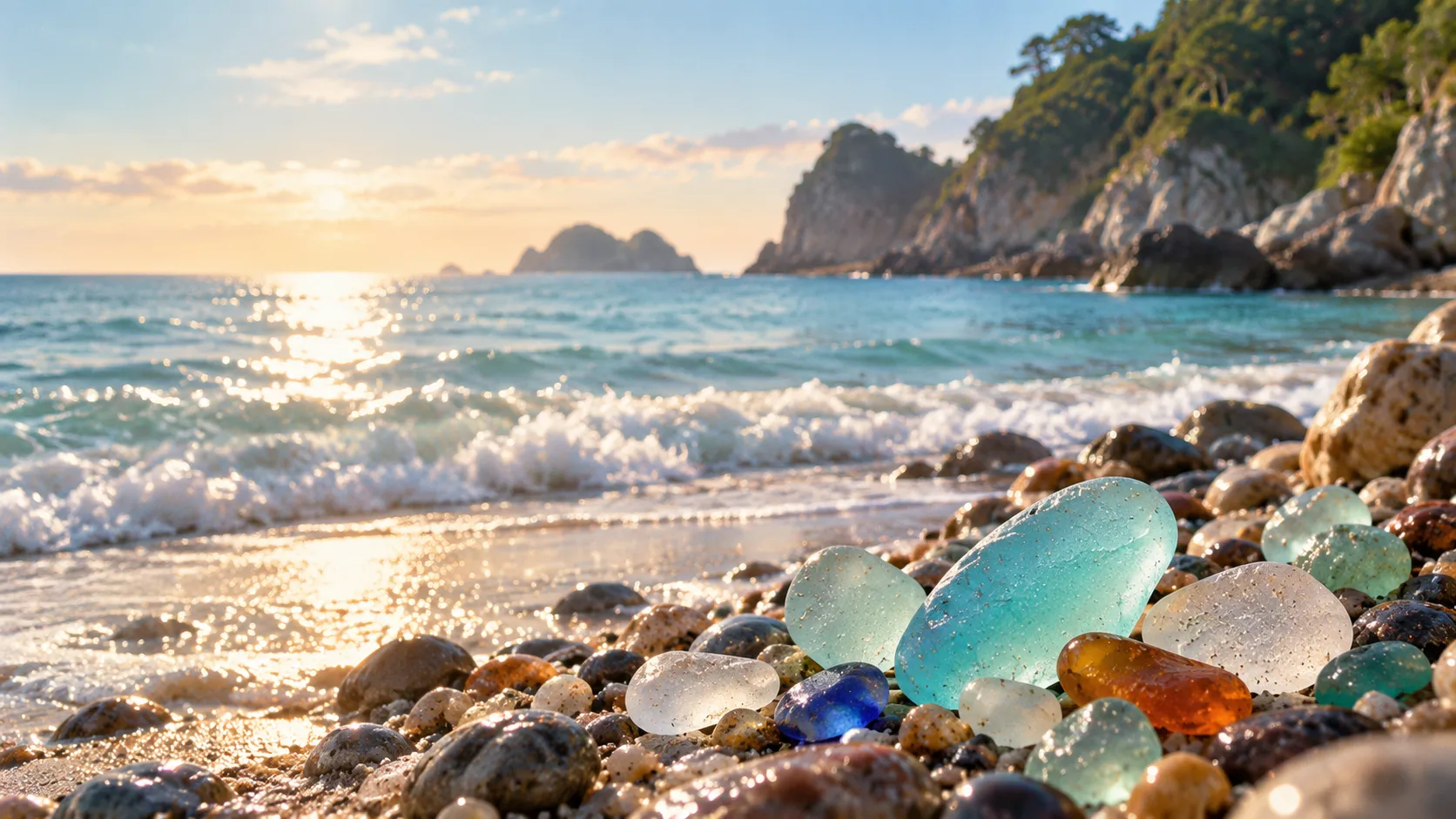
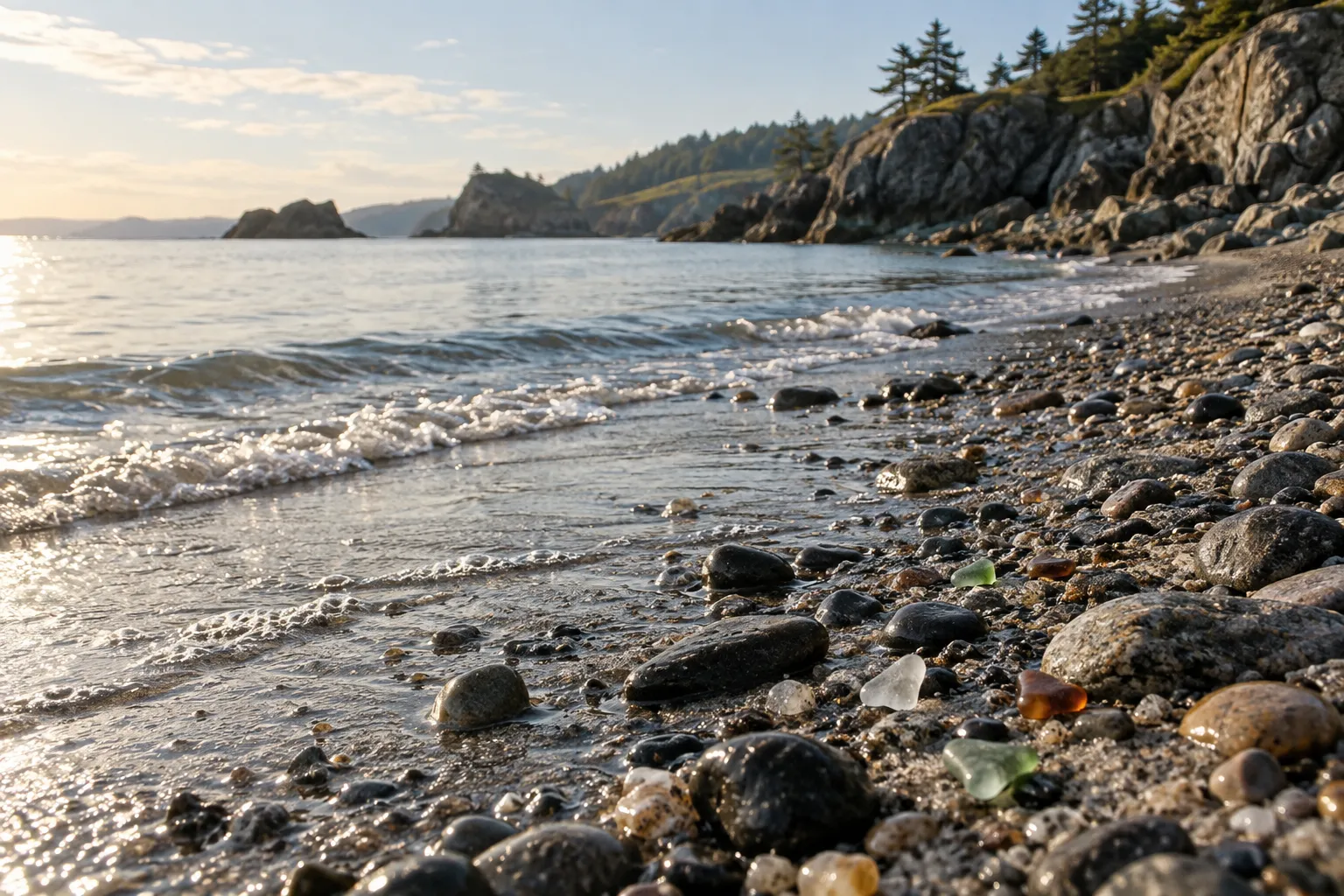
Beaches near historic settlements, ports, former dumping areas, older industrial coastlines, and shorelines with active wave movement can all produce finds—but results vary widely by location.
Can I collect sea glass from any beach?
No. Collection rules vary by country, park, reserve, and individual beach. Check local regulations before taking anything home.
What can I make with sea glass?
Sea glass can be used for displays, mosaics, decorative art, jewelry-inspired projects, shadow boxes, keepsakes, and many other crafts.